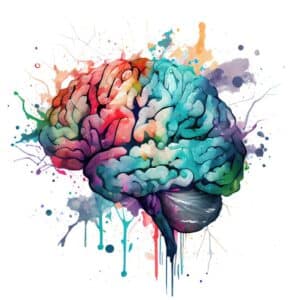
Have you ever heard of synesthesia? It’s a fascinating condition where senses overlap, and this post explores what it’s like to experience it.
Synesthesia is a neurological condition where the senses overlap, causing people to experience things like seeing colors when they hear music or tasting flavors when they touch certain textures. It’s a fascinating phenomenon that has intrigued scientists and artists alike
for centuries. In this post, we’ll explore what it’s like to have synesthesia and how it affects the way people experience the world around them.
1. What is synesthesia?2. Types of synesthesia3. How synesthesia affects perception4. Famous synesthetes5. The Science Behind Synesthesia6. Research and treatment options
1.What is synesthesia?
Synesthesia is a neurological condition where the senses overlap, causing people to
experience a blending of two or more senses. For example, someone with synesthesia may
see colors when they hear music, or taste flavors when they touch certain textures. It’s
estimated that around 4% of the population has some form of synesthesia, and it can
manifest in a variety of ways. Some people may see colors when they read letters or
numbers, while others may experience tastes or smells when they see certain shapes or
colors.
2.Types of synesthesia
There are many different types of synesthesia, each with its own unique sensory blending.
Some of the most common types include grapheme-color synesthesia, where letters and
numbers are perceived as having specific colors; chromesthesia, where sounds are
perceived as having specific colors; and spatial sequence synesthesia, where numbers,
days of the week, or months of the year are perceived as having specific spatial locations.
Other types of synesthesia include taste-color synesthesia, where tastes are perceived as
having specific colors, and touch-emotion synesthesia, where certain textures or sensations
are associated with specific emotions.
3.How synesthesia affects perception
Synesthesia affects perception by causing the brain to process sensory information in a unique way. For example, someone with grapheme-color synesthesia may see the letter “A” as always being red, even if it is written in black ink. This blending of senses can be both fascinating and confusing for those who experience it. Some people with synesthesia find it helpful in certain situations, such as remembering phone numbers by their associated colors, while others may find it overwhelming or distracting.
4.Famous synesthetes
Many famous artists, musicians, and writers are known to have had synesthesia, including Vincent Van Gogh, Billy Joel, and Vladimir Nabokov. Van Gogh is believed to have experienced color synesthesia, which may have influenced his use of vibrant colors in his paintings. Billy Joel has spoken about his experience with sound-color synesthesia, where he sees colors when he hears certain musical notes or chords. Nabokov, a writer, had grapheme-color synesthesia and used it to create vivid descriptions in his writing. These famous synesthetes have helped bring attention to this unique condition and its impact on creativity.
5.The Science Behind Synesthesia
Delve into the scientific explanations and theories behind synesthesia. Discuss how the brain processes sensory information and how synesthetes experience cross-activation of different sensory areas. Explore the role of genetics and brain connectivity in synesthesia development. Highlight findings from neuroimaging studies that provide insights into the neuronal mechanisms of synesthesia. Explain concepts like cross-model processing and the role of neural networks in synesthetic experiences. Discuss ongoing research efforts to unravel the underlying mechanisms of synesthesia, such as studying specific brain regions and neurotransmitter interactions. Address the challenges in studying synesthesia due to its subjective nature and the variations across individuals. Conclude with the importance of further research to deepen our understanding of synesthesia and its implications for neuroscience and cognitive science.
6.Research and treatment options
While there is no cure for synesthesia, research is ongoing to better understand the condition and its impact on those who experience it. Some individuals may seek treatment to manage any negative effects on their daily life, such as difficulty concentrating or sensory overload. Treatment options may include cognitive-behavioral therapy, mindfulness techniques, or medication. It’s important for individuals with synesthesia to work with a healthcare professional to determine the best course of action for their specific needs
Neurology Mobile is a trusted U.S.-based provider of mobile neurological diagnostics and intraoperative neuromonitoring. With a team of board-certified professionals, the company delivers high-precision EEG, EMG, and IONM services to hospitals, clinics, and patients nationwide. Known for its clinical accuracy, advanced technology, and patient-centered care, Neurology Mobile is recognized for setting a high standard in mobile neurology services.
Neurology Team
With more than 30 years of experience
Neurology Mobile System Associates (NMSA) offers Intraoperative Monitoring (IOM) and outpatient neuro diagnostic testings, with more than 30 years of experience. Neurology Mobile System Associates located in South Florida and the best highly trained, experienced, and certified professionals.